Muad Trade International Safety services at projects are crucial for preventing accidents, mitigating risks, and ensuring the health and well-being of workers and stakeholders. These services encompass a range of activities, protocols, and systems designed to protect workers, equipment, and the environment.
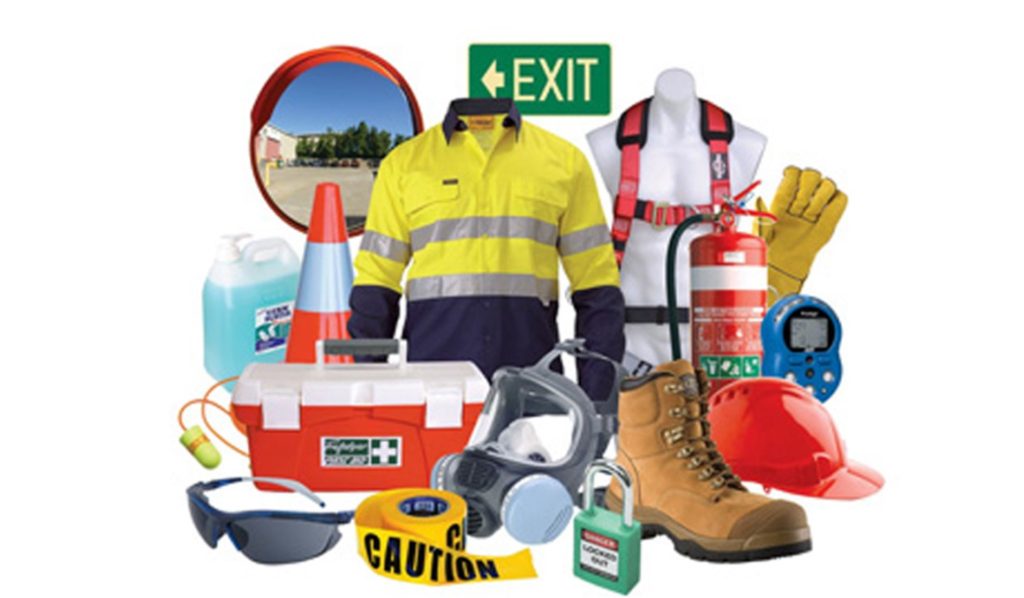
Key Components of Safety Services
- Risk Assessment and Management
- Hazard Identification: Analyzing potential risks, such as falling objects, machinery accidents, or structural failures.
- Risk Mitigation Plans: Developing strategies to minimize identified risks, such as using protective barriers or equipment safeguards.
- Safety Training and Awareness
- Conducting mandatory safety inductions for all workers.
- Training workers in emergency response protocols, such as fire drills and evacuation.
- Specialized training for high-risk tasks, including working at heights, operating heavy machinery, or handling hazardous materials.
- Personal Protective Equipment (PPE) Management
- Providing appropriate PPE, such as helmets, gloves, goggles, and harnesses.
- Regularly inspecting and replacing worn-out or damaged equipment.
- Emergency Response Services
- Establishing on-site emergency teams trained in first aid and firefighting.
- Providing emergency kits, fire extinguishers, and spill control equipment at strategic locations.
- Coordination with local emergency services for fire, medical, and rescue support.
- Site Safety Inspections
- Routine inspections to ensure compliance with safety standards and regulations.
- Identifying and addressing unsafe practices or conditions promptly.
- Accident Reporting and Investigation
- Implementing a system for reporting near-misses, accidents, and injuries.
- Conducting investigations to identify root causes and prevent recurrence.
- Environmental Safety Management
- Monitoring and controlling environmental hazards, such as dust, noise, and chemical spills.
- Implementing waste management and recycling programs to minimize environmental impact.
- Technology and Automation in Safety
- Using drones for site inspections and surveillance.
- Installing smart sensors to monitor structural integrity, gas leaks, or equipment performance.
- Employing wearables (e.g., smart helmets) that track worker location, fatigue, and environmental conditions.
- Safety Signage and Communication
- Clear, visible signage indicating hazards, safe zones, and emergency exits.
- Using multi-language or pictogram signs for diverse workforces.
- Regular safety briefings and toolbox talks.
- Compliance with Regulations
- Adhering to local and international safety standards, such as OSHA, ISO 45001, or national construction safety codes.
- Ensuring contractors and subcontractors follow the same safety guidelines.
Common Safety Risks in Construction Projects
- Falls from Heights
- Working on scaffolds, roofs, or tall structures.
- Mitigation: Safety harnesses, guardrails, and fall arrest systems.
- Machinery Accidents
- Operating cranes, excavators, and other heavy equipment.
- Mitigation: Operator training, equipment inspections, and safety protocols.
- Electrical Hazards
- Exposure to live wires or faulty equipment.
- Mitigation: Grounding systems, insulated tools, and lockout/tagout procedures.
- Chemical and Material Hazards
- Handling hazardous chemicals, asbestos, or silica dust.
- Mitigation: Proper storage, PPE, and ventilation systems.
- Structural Failures
- Collapses during construction or demolition.
- Mitigation: Structural assessments, load monitoring, and safety engineering practices.
Benefits of Muad Trade International Effective Safety Services
- Reduced Injuries and Fatalities
Proactive safety measures significantly lower the risk of workplace accidents. - Improved Productivity
A safe environment ensures workers can focus on tasks without fear or distractions. - Compliance and Avoidance of Penalties
Meeting safety regulations prevents fines, lawsuits, and project shutdowns. - Enhanced Reputation
Demonstrating a commitment to safety boosts the company’s reputation and stakeholder trust. - Cost Savings
Reducing accidents decreases downtime, insurance claims, and liability costs.
MTI Strategies for Safety Services
- Safety Culture
- Foster a culture of safety by involving all employees in safety programs and decision-making.
- Recognize and reward safe behavior to encourage adherence to protocols.
- Integrated Safety Management Systems (SMS)
- Use software to monitor and manage safety metrics, incidents, and compliance.
- Partnerships with Safety Experts
- Engage professional safety consultants and auditors for specialized guidance.
- Regular Safety Audits and Drills
- Evaluate safety practices through periodic audits.
- Conduct mock emergency drills to test preparedness.
By integrating comprehensive safety services, mega construction projects can protect their workforce, maintain operational efficiency, and achieve long-term success.